Which cooking fuel will the new kitchen use?
EIA's 2024 RECS shows induction in about 5% of occupied homes; NKBA designers expect it to lead within three years.
No votes yet. Yours will be the first. · saved on this device
Loading...
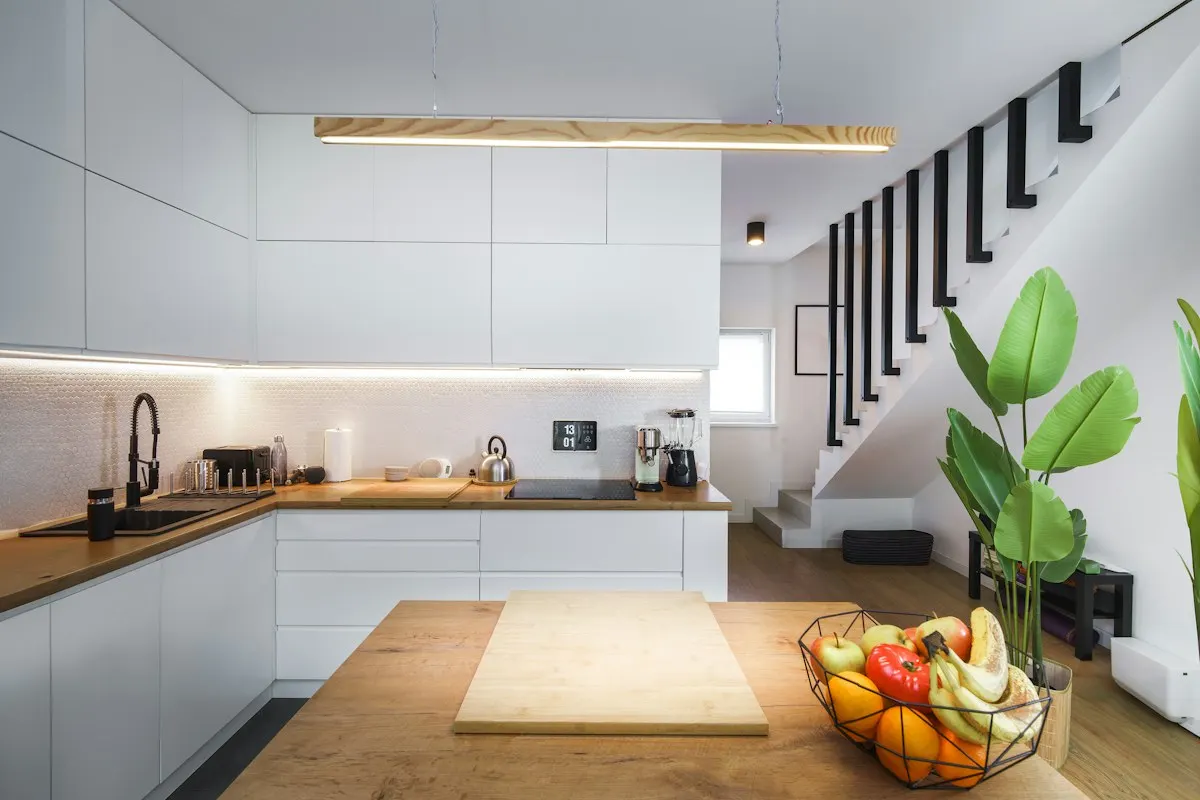
Kitchen Scopebook · Gas range or cooktop vs Induction range or cooktop
Gas suits a kitchen that already has a line and a ducted hood and a cook who wants a visible flame; induction suits a kitchen with a 240-volt circuit available, a household that wants faster boiling and easier cleaning, and any home going all-electric. Switching from gas to induction is mostly an electrical job; switching the other way needs a gas line. Region decides which is the cheap path.
Photo: Jakub Żerdzicki · License.
Our analysis of the EIA's preliminary 2024 household survey puts installed stock at 27.7% of occupied homes on natural gas, 51.7% on electric and 5.2% on induction, each measured against all occupied homes. The research page's state table counts only homes with a range (31.7% gas) or with an electric range (8% induction), which is why its national figures run higher. NKBA's 2025 Kitchen Trends Report found 2 in 3 designers expect induction to lead within three years. Designer enthusiasm is running ahead of what is installed, which means many remodels are the moment a kitchen switches. The comparison table covers the basics; this page covers what the switch costs, region by region.
The materials guide treats fuel as one choice among many. This page treats it as the one that changes the rough-in, because a fuel decision made after the electrician has left is the most expensive kind.
Gas is installed in about 28% of U.S. homes and needs a gas line and a good hood; induction heats faster, is easier to clean and is what two-thirds of NKBA's designers expect to lead within three years, but needs a 240-volt circuit and compatible cookware.
| Factor | Gas range or cooktop | Induction range or cooktop |
|---|---|---|
| Upfront cost | $700 – $6,000 appliance; gas line $300 – $1,500 if absent | $1,000 – $6,000 appliance; 240V circuit $400 – $1,500; panel upgrade if needed |
| Lifespan | 15–20 yrs | 10–15 yrs; electronics-dependent |
| Maintenance | Grates and burners to clean | Flat glass, wipe clean; avoid scratches |
| Appearance | Traditional, visible flame | Flat, minimal |
| Climate fit | Common in Northeast (40.4%) and West (35.2%) | South already has 240V behind 63% of ranges |
| Install time | Half a day with existing line | Half a day with existing circuit; a day+ for new circuit |
| Resale / ROI | Familiar to buyers | Increasingly requested; some cities require electric |
| Best for | Wok cooking, existing gas line, power outages | Fast boil, easy cleanup, island cooktops, indoor air |
Gas wins when the line is already there, when you cook with a wok or need heat during outages, and when the hood is ducted outside. Our analysis of the EIA's 2024 household survey shows a natural-gas range in 27.7% of occupied homes: 40.4% in the Northeast and 35.2% in the West, against 16.0% in the South.
Induction wins for speed, cleanup and indoor air, and for island cooktops where a flat surface and no open flame near seating are safer. It is installed in only 5.2% of homes today, and our analysis finds it 2.6 points more common among owners earning $100,000 or more than among those below, but 2 in 3 of NKBA's designers expect it to lead. The cost question is the circuit: in the South most kitchens have it; in gas regions budget for an electrician and check panel capacity.
The easy switch is an electric-coil or radiant kitchen going to induction. The 240-volt range circuit is already there; if it is 40 or 50 amps, most induction ranges plug straight in. EIA's RECS shows 16.0% of Southern homes cook on gas and 63% on electric, so most Southern kitchens are in this group. The cost is the appliance and, for a cooktop rather than a range, the cutout in the counter.
The moderate switch is a gas kitchen going to induction where the panel has room. The electrician runs a new 240-volt dedicated circuit from the panel to the range location, caps the gas line, and the hood stays. In the Northeast, where RECS finds 40.4% of homes on gas, this is the common case. The site's calculator carries a 240-volt circuit or gas line for an island cooktop at $1,200 to $4,000.
The expensive switch is the same job in a house with a full 100-amp panel, where the new circuit needs a panel upgrade, carried in the calculator at about $2,800, and sometimes a service upgrade from the utility. Going the other way, from electric to gas, means a new gas line from the meter or a propane tank, a shutoff, a pressure test and a hood that actually vents outside, which in an all-electric house is often the larger cost. The same-layout comparison covers what moving the range adds on top.
Gas produces combustion by-products and more heat into the room, so a gas range wants a ducted hood sized for the burner output, usually several hundred CFM, terminating outside. Hoods above about 400 CFM commonly trigger make-up air, a mechanically opened outside-air path so the house does not depressurise and back-draft a furnace or water heater. The site's cost table puts a ducted island hood with make-up air at $2,500 to $7,000. A recirculating hood over a gas range removes grease and nothing else.
Induction produces no combustion and less waste heat, so its ventilation need is steam and cooking odours, which a smaller ducted hood handles. Many kitchens that switch to induction keep the existing gas-era hood, which is more than adequate. The U.S. Fire Administration counted 167,800 residential cooking fires in 2023; ventilation and clearance rules exist for both fuels, and neither removes the need to keep the cooktop clear of combustibles.
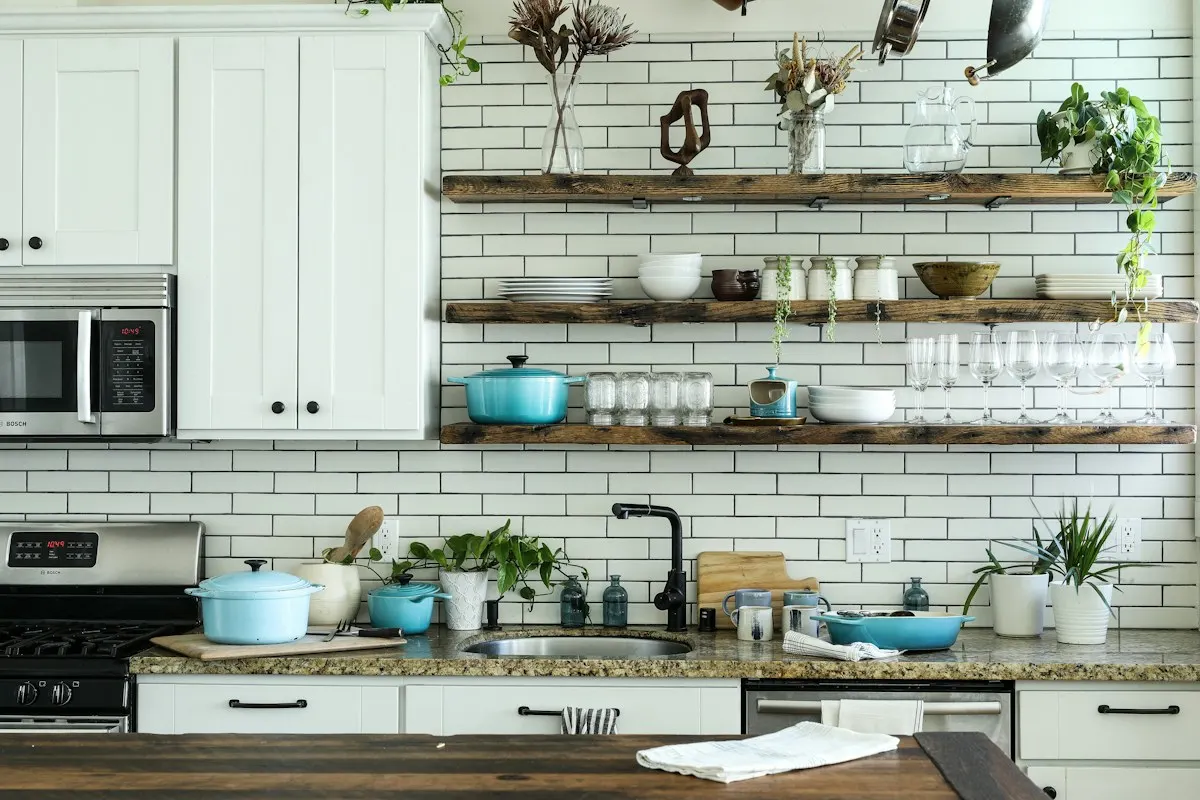
Induction boils water noticeably faster, holds a low simmer more precisely than most gas burners and stays cool around the pan, so spills do not bake on and a wipe cleans the glass. Gas gives a visible flame, works with any pan, keeps working in a power cut if the igniter is bypassed, and lets a cook toss a wok over the burner. Induction needs ferrous cookware, cast iron, carbon steel or magnetic stainless, and a fridge magnet on the pan base is the test.
The learning curve on induction is short but real: pans heat faster than expected, the glass scratches under a dragged cast-iron skillet, and some units buzz at high power with thin pans. Gas has its own habits: grates to lift for cleaning, igniters that clog, and a cooktop surface that takes longer to cool. Neither is difficult; they are different, and a household that cooks a lot should try both before deciding.
Appliance prices overlap broadly: a mid-tier 30-inch gas range and a mid-tier induction range are within a few hundred dollars of each other in 2026, with induction cooktops carrying a modest premium over gas cooktops at the same width. The installation difference is the circuit or gas line described above, which can be zero, a few thousand, or a panel upgrade. Cookware replacement for induction is a one-time cost of a few pans in most kitchens.
Running cost depends on local electricity and gas prices, which vary too much by region for a national answer, but induction transfers most of its energy into the pan while gas loses a large share to the room, so the energy used per meal is lower on induction even where the price per unit is higher. Over ten years the running-cost difference is modest either way; the decision is rarely made on it. ENERGY STAR's dishwasher figure of about $50/yr a year to run is a useful scale: appliance running costs are small next to the remodel.
Resale is a wash today and may tilt. Houzz's 2025 Kitchen Trends Study found 57% of renovators chose energy-efficient appliances as part of a sustainable option, and some jurisdictions have debated limits on gas in new construction, which does not affect an existing house but may shape what buyers expect. A remodel that runs the 240-volt circuit even while keeping gas leaves the next owner both options.
Adoption so far skews toward higher incomes. Our analysis of the EIA's 2024 household survey found induction in 6.6% of owner households earning $100,000 or more against 4.0% of those below that line, a gap of 2.6 points. That describes who has switched, not who can afford to. Regionally, the South leads at 6.2% against 4.5% to 4.8% elsewhere, which fits the circuit story above: switching is easiest where the 240-volt range circuit already exists.
With induction: buying the range before checking the panel, then discovering the upgrade; putting an induction cooktop in an island with no plan for the circuit under the floor; keeping aluminum cookware and blaming the cooktop; and installing a downdraft that cannot clear a tall pot. With gas: a recirculating hood; a gas line sized for the old range and starved by a pro-style one; no make-up air on a large hood, so the water heater back-drafts; and a range placed under a window where the clearance rules cannot be met.
The mistake common to both is deciding late. A fuel change after the electrical rough-in means opening finished walls; a fuel change after the cabinet order can mean the wrong base cabinet width. Put the fuel decision in the brief, and make each bid state the circuit or gas line, the hood CFM and duct route, and whether the panel has capacity. The permits guide explains why every one of those lines is inspected.
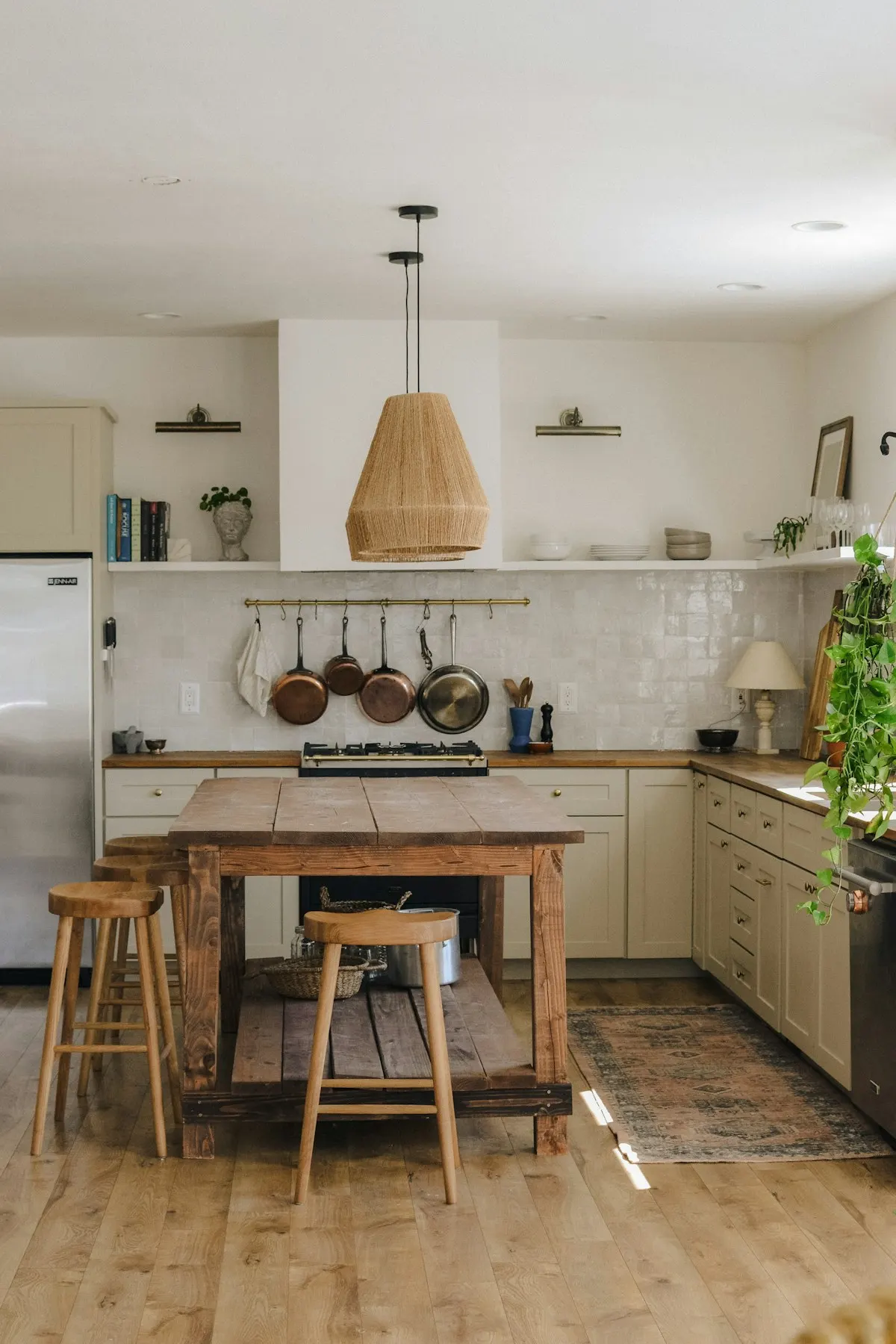
Ask the pro to price the kitchen twice with the same cabinets and counters: once with the gas range and its hood, once with induction and its circuit. The gas bid should list the gas line work if any, the shutoff and pressure test, the hood CFM, duct route and make-up air. The induction bid should list the 240-volt dedicated circuit, the panel capacity check and any upgrade, and the hood. Appliances should be in both or out of both.
The difference between the two totals is the real cost of the switch in your house, which no national figure can give you. Then weigh it against how you cook. Vote in the cooking fuel poll to see what others planning a kitchen are choosing, run the cost calculator with and without the panel add-on, and use the estimate request to have independent local pros price both paths from one brief.
Homeowner polls
EIA's 2024 RECS shows induction in about 5% of occupied homes; NKBA designers expect it to lead within three years.
No votes yet. Yours will be the first. · saved on this device
No votes yet. Yours will be the first. · saved on this device
If a magnet sticks firmly to the bottom, yes. Cast iron, carbon steel and most stainless work; aluminum, copper and glass do not unless they have a magnetic base plate. Replacing a set of incompatible cookware typically costs $200 to $600, which is worth adding to the comparison.
Yes. Induction produces no combustion by-products, but cooking still produces grease, steam and smoke, and code clearances above a cooktop still apply. A ducted hood sized to the cooktop width remains the right spec; recirculating hoods are a compromise in either case.
Sometimes. A 40- or 50-amp 240-volt circuit needs two free breaker spaces and enough total capacity. Panels at 100 amps with electric water heating and dryer often cannot take it; 150- or 200-amp panels usually can. An electrician's load calculation, which takes minutes, settles it before you buy the appliance.
Look at the main breaker rating and the free slots. A 200-amp panel with two free adjacent slots usually takes a new 40- or 50-amp 240-volt circuit without difficulty. A 100-amp panel that already serves central air, an electric water heater or a dryer may be at capacity, and an electrician will run a load calculation to confirm. If the panel is full or the calculation fails, a panel upgrade of roughly $2,800 in the site's calculator enters the scope.
Usually, yes. Gas puts combustion by-products and more heat into the room, so a ducted hood sized to the burner output, terminating outside, is the standard recommendation, and pro-style gas ranges push hoods past the 400 CFM threshold where many codes require make-up air. Induction needs ventilation for steam and odours only, so a smaller ducted hood is adequate. A recirculating hood is not sufficient for gas.
Yes, and it is a common choice because there is no gas line to run through the floor. It still needs a 240-volt dedicated circuit routed under the floor to the island, which is easy over a basement or crawlspace and involves concrete work on a slab, plus a ceiling-mounted ducted hood over the island. The site's cost table lists the circuit at $1,200 to $4,000 and the hood with make-up air at $2,500 to $7,000.
Generally, yes. EIA's RECS shows 63% of Southern homes already cook on an electric range, so the 240-volt circuit is usually in place and the switch is the appliance alone. In the Northeast, 40% of homes cook on gas, so a switch means a new circuit and possibly a panel upgrade. Housing age compounds it: older Northeast panels are more often at capacity. Local labor rates add to the gap.
No. Induction, like any electric range, needs power. A gas range with electronic ignition also stops in an outage unless the burners are lit with a match, which many models allow. If outage cooking matters, a household switching to induction can keep a small portable gas or butane burner for emergencies, or a portable induction hob on a generator circuit. It is rarely a deciding factor but worth knowing before the switch.
Yes, and it should be done by a licensed plumber or gas fitter and, in many jurisdictions, inspected. The line is shut off, capped at an accessible point and the appliance connector removed. Some homeowners leave the capped line in place so a future owner can return to gas; others have it removed to the branch. Either is acceptable. Ask the bid to state which is planned and who pulls the permit.
Often. Pro-style ranges draw more gas, so the existing line may be undersized and need replacing from the meter; they need a hood sized to their output, which typically means make-up air; and they need more clearance to cabinets above and beside. Some also need a 120-volt receptacle for the igniters and controls. Price the gas line, hood and clearances before buying the range, because the range's spec sheet will dictate all three.
 ComparisonCabinet refacing vs New cabinets
Reface when the boxes are sound, the layout works and the problem is appearance; replace when boxes are swollen or racked, storage is wrong or the layout needs to change.
 ComparisonEngineered quartz vs Granite
Choose engineered quartz if you want a consistent surface that never needs sealing and you will use trivets; choose granite if you set hot pans down and will seal it every year or two.
 ComparisonKitchen island vs Peninsula
An island needs 42 to 48 inches of clear aisle on every side, so rooms narrower than about 12 feet usually cannot hold one; a peninsula attaches to a perimeter run, protects one aisle and fits rooms down to about 10 feet.
 ComparisonSame-layout renovation vs Layout change
Keep the layout when the work triangle and landing zones already function and the complaint is storage or finish; change it when the triangle is broken, the aisle is blocked or the room is closed off from where the family lives.
 Service guideComplete Kitchen Renovation
A complete kitchen renovation replaces cabinets, counters, flooring, lighting and usually appliances under a single plan, and may relocate plumbing, gas and electrical or remove a wall.
 Service guideCabinet Refacing & Installation
Cabinet refacing replaces doors, drawer fronts and hardware and covers the exposed box faces with matching veneer, leaving the layout unchanged.
 Service guideCountertop Installation
Countertop installation replaces the work surface, sink and often the backsplash on cabinets you keep.
 Service guideKitchen Island Design & Build
A kitchen island is a freestanding cabinet unit with its own countertop, often with seating, storage, a sink or a cooktop.
 Free toolKitchen remodel cost calculator
Size, material tier and complexity in, a realistic budget range out.
 Free toolKitchen remodel quiz: find your scope and check the numbers
10 questions that show what you already know and what to check next.
 Free toolKitchen remodel polls: see what other homeowners are choosing
See what other planners chose and add your vote.
Tell us the size, the condition of what is there now, and what you want to change. Kitchen Scopebook passes your request to independent local professionals, who reply with written, no-obligation estimates. The service is free to use.